


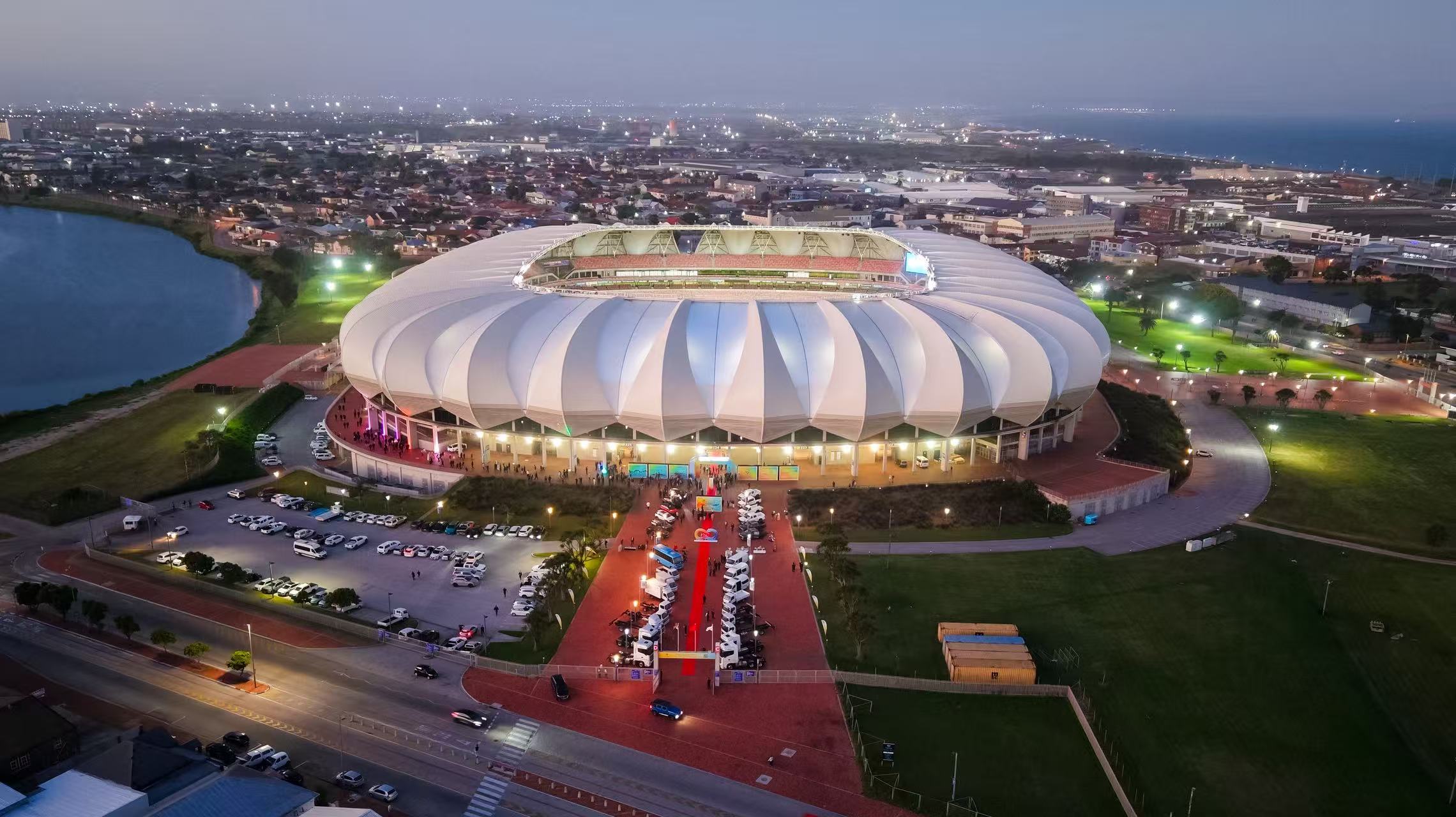
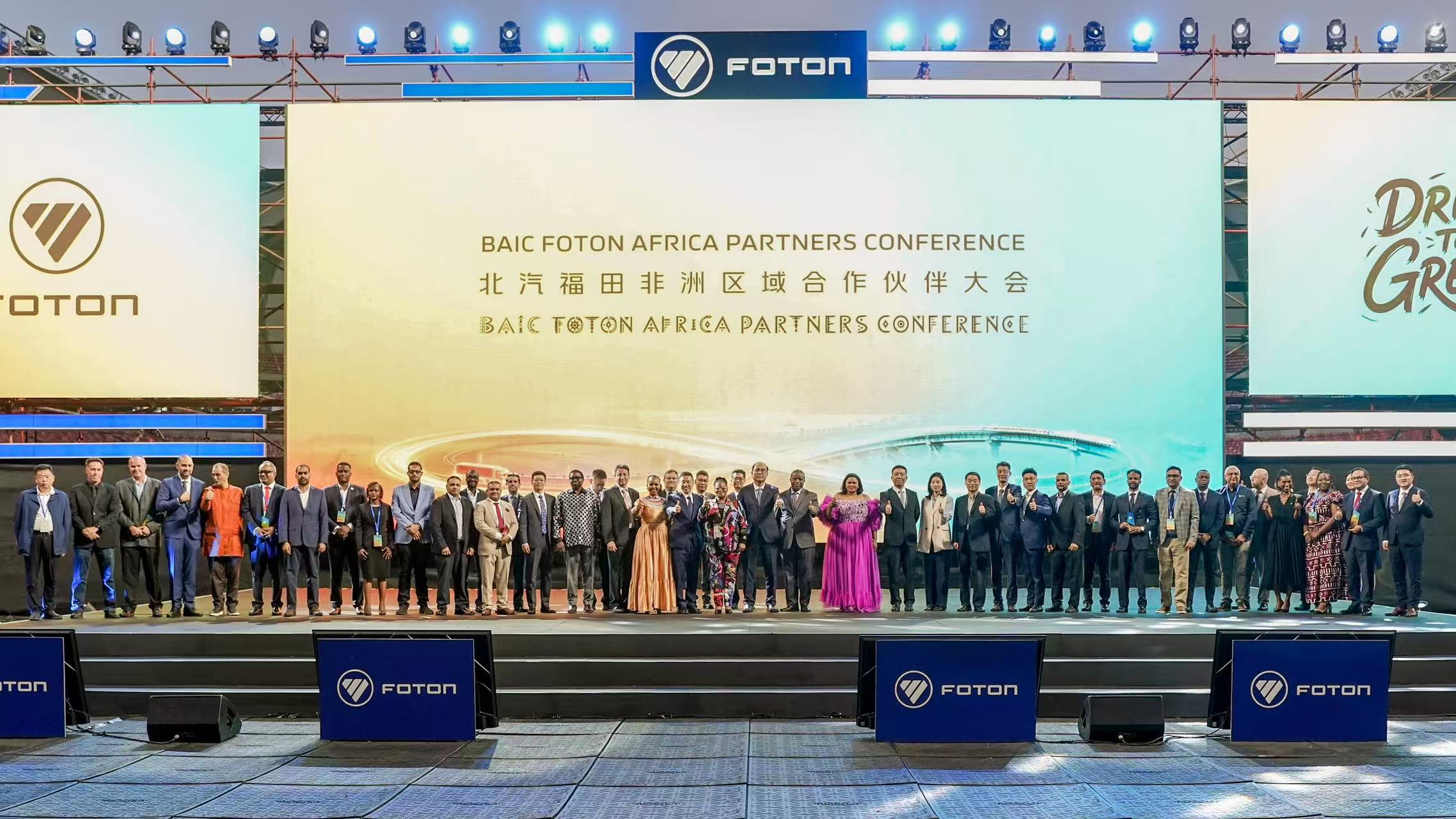
On October 29, the BAIC FOTON Africa Partner Conference was held in Port Elizabeth, South Africa. Beyond strategic remarks and product launches, the conference’s real focus was the delivery of 1,800 heavy trucks and the signing of new energy projects in multiple countries—the former representing continued fulfillment in existing scale markets, while the latter points to commercially viable scenarios in Africa’s green transition of commercial vehicles.
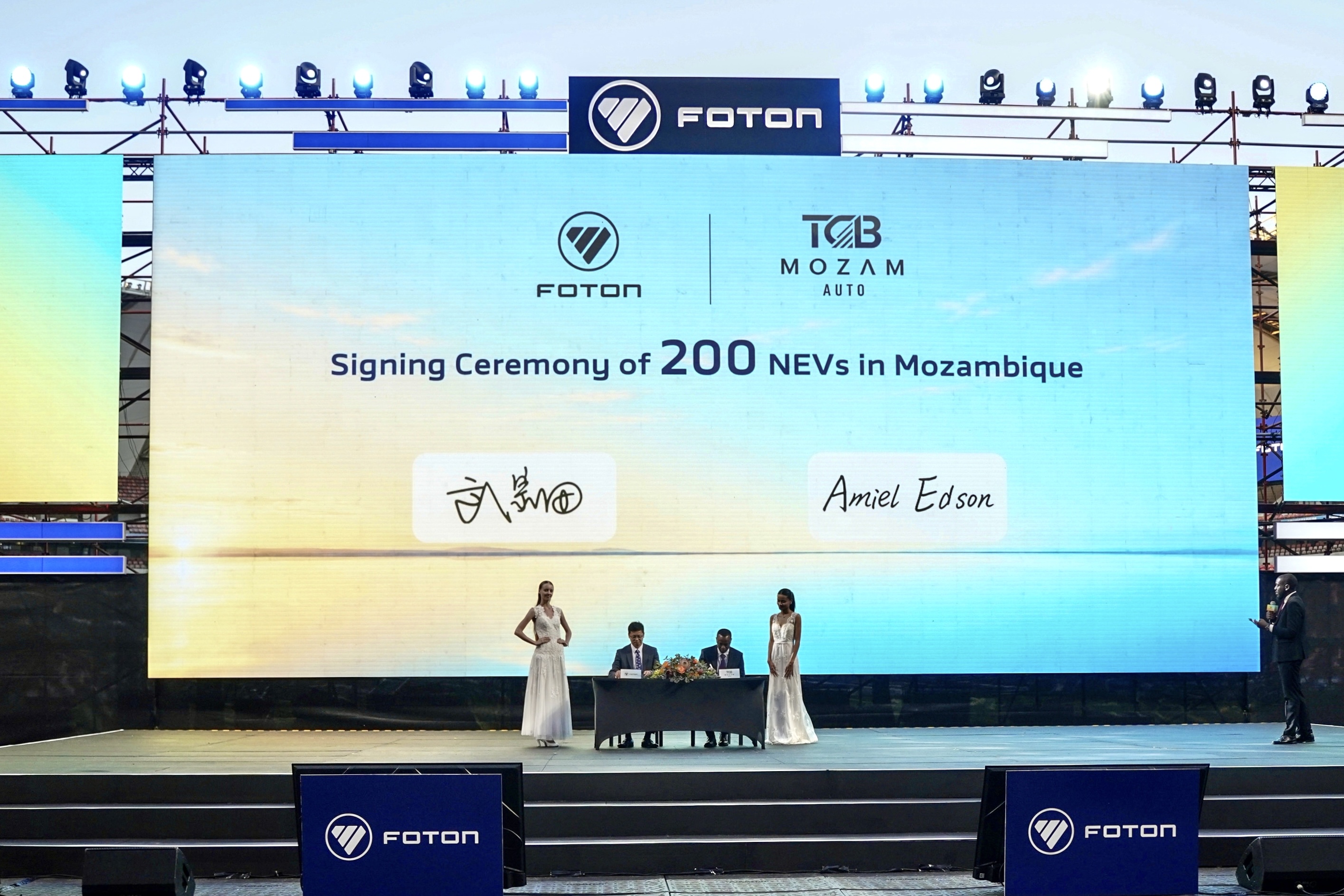
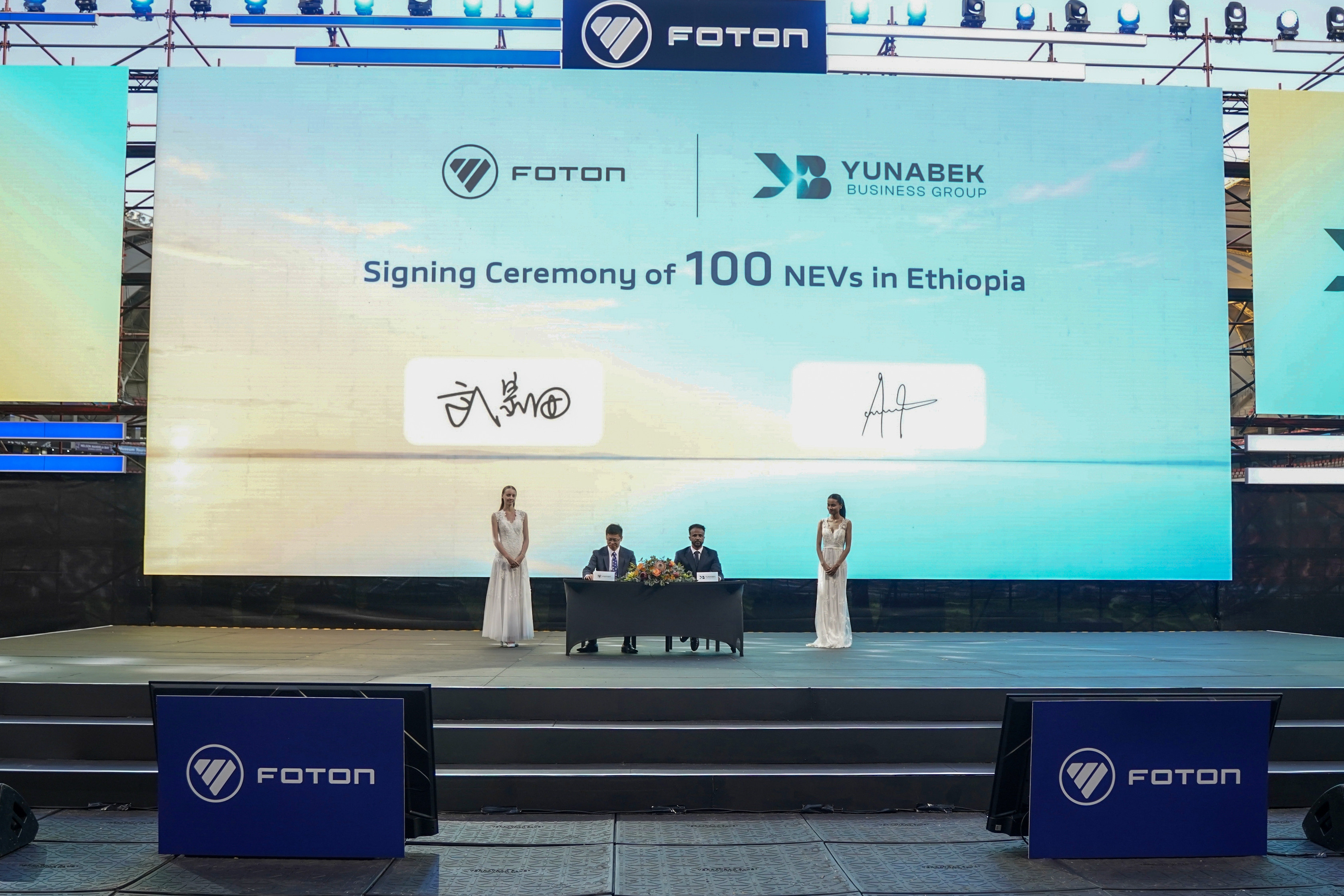
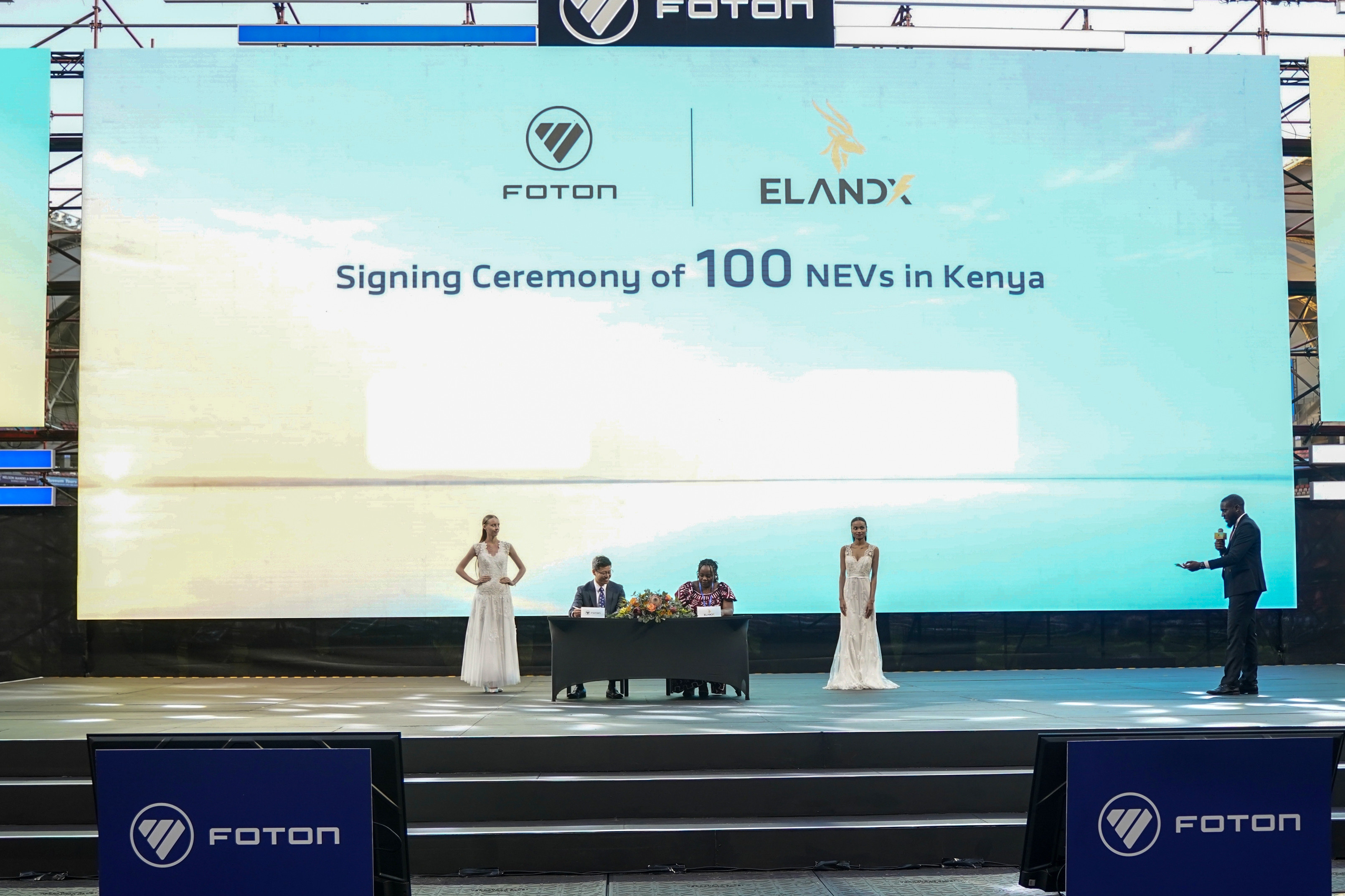
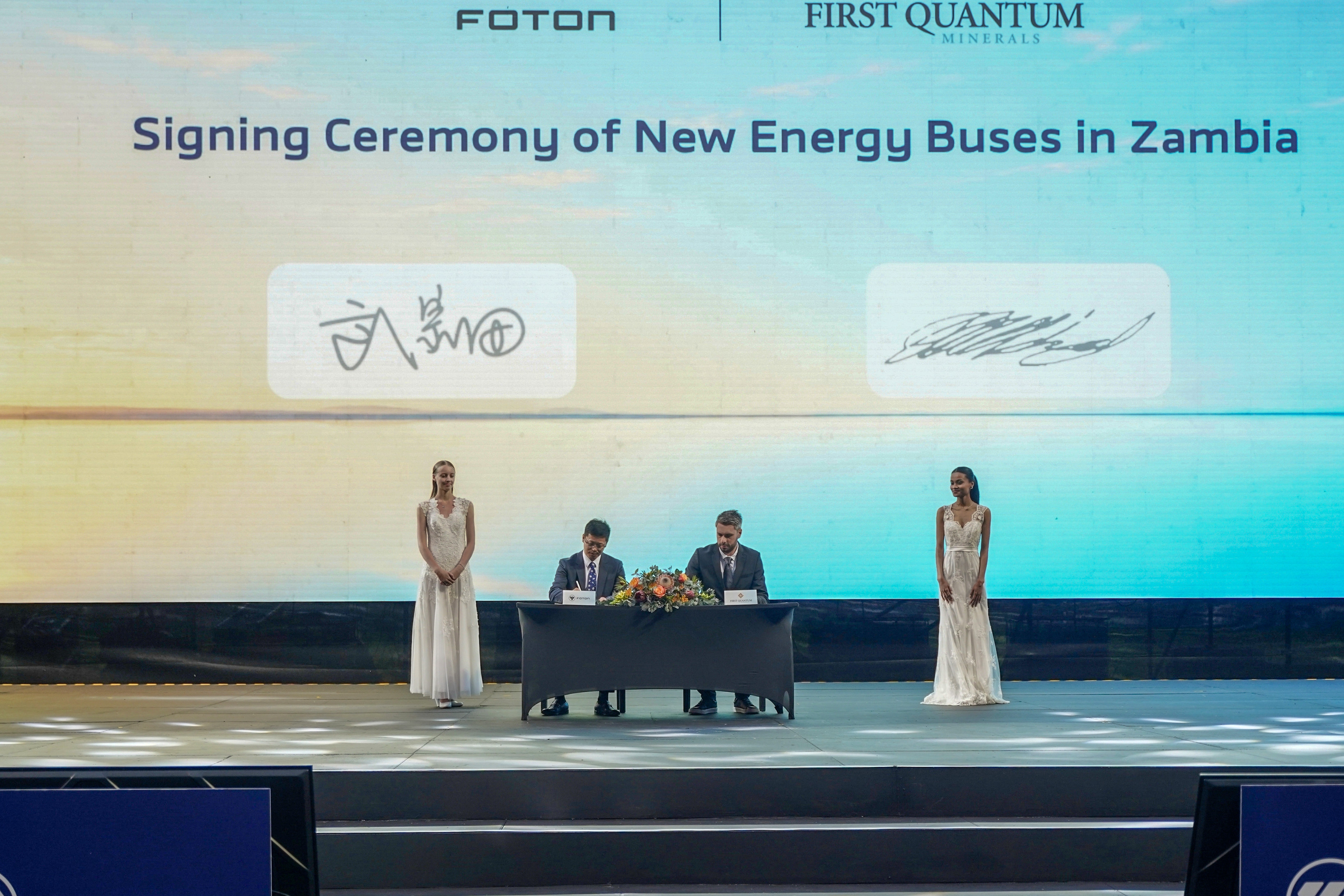
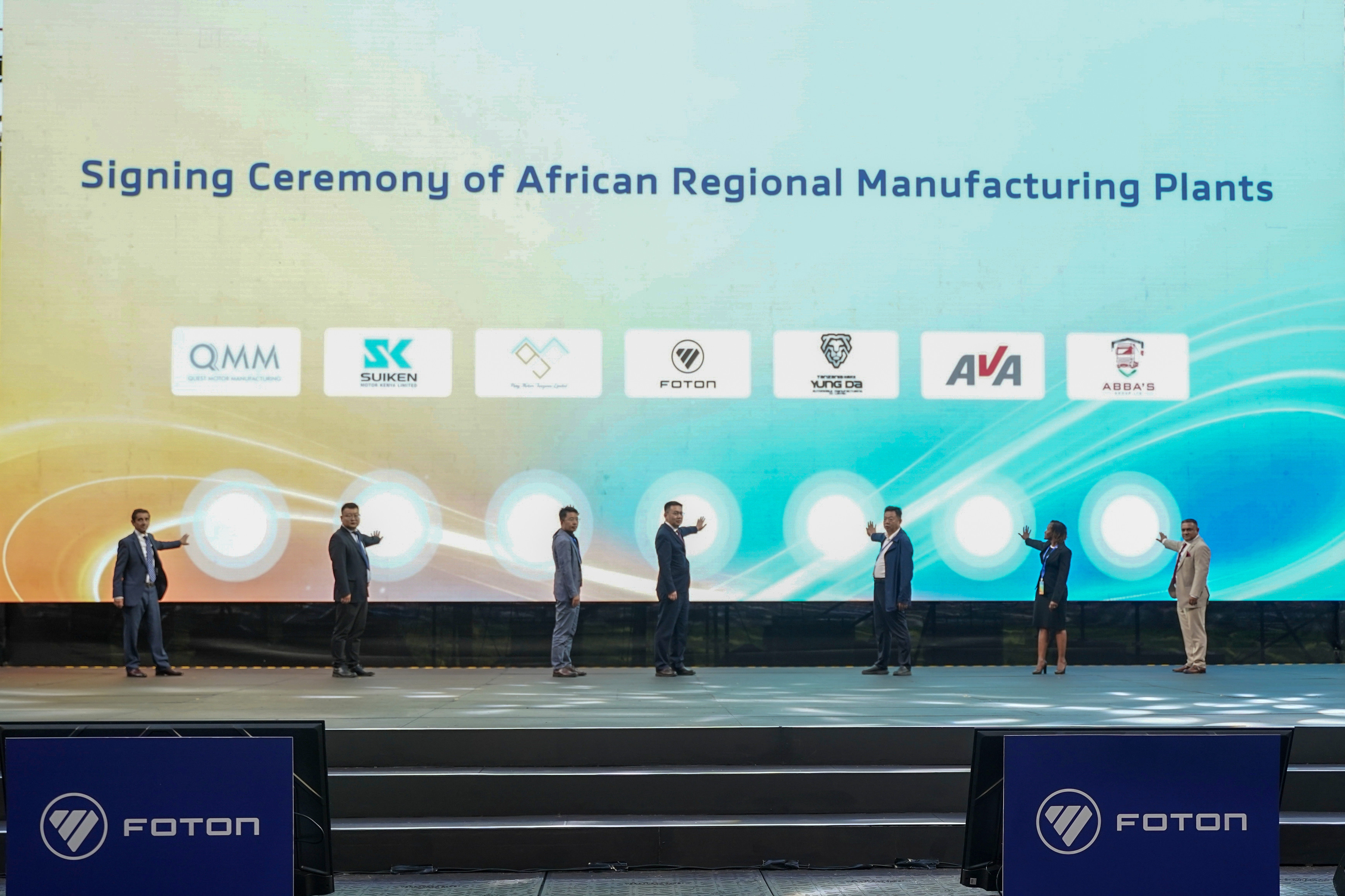
At the event, Chang Rui, CEO of BAIC Group and Chairman of the Board of BAIC FOTON, and customer representatives completed the delivery of 1,000 heavy trucks to Ghana and 800 to Zambia. Wu Zongtian, President of BAIC FOTON International, signed agreements with customer representatives for a batch of new energy buses to Zambia and new energy product projects covering 200 units in Mozambique, 100 in Ethiopia, and 100 in Kenya. Dai Hongkai, Party Secretary of BAIC FOTON International, signed six localized manufacturing cooperation agreements with partners in Tanzania, Kenya, and Zimbabwe.
These three sets of numbers outline BAIC FOTON’s priorities in Africa: consolidating key markets through scaled deliveries, expanding new energy application scenarios, and supporting long-term operations through localized manufacturing and supporting services.
1,800 Heavy Trucks Delivered: Further Progress in Scaled Operations in Key Markets
Ghana and Zambia are important markets for BAIC FOTON in Africa. The significance of these thousand-unit deliveries lies not in the numbers themselves but in their replicability: in Africa, where road conditions are complex, financing channels limited, and after-sales service radii large, a single customer receiving more than 1,000 heavy trucks at once means vehicle uptime, spare-parts supply, and maintenance response must already be matched before delivery. This reflects local customers’ recognition of FOTON’s products and services and confirms the progression of key markets from “single-point breakthroughs” to “scaled operations.”
New Energy Signings in Multiple Countries: Targeting Industrial Green Transition Scenarios
The new energy products signed this time are clearly aimed at green transition scenarios in mining, agriculture, and other industries. Mines and farms feature fixed routes, controllable transport distances, and centralized energy replenishment, making them suitable scenarios for early scaled operation of new energy commercial vehicles. BAIC FOTON is deploying multiple technology routes—fuel, natural gas, battery-electric, and plug-in hybrid—based on transport and energy conditions in African countries, designing vehicle selection and energy replenishment solutions together to ensure products truly fit customer operating conditions and move new energy vehicles from “delivery” to “stable operation.”
Supporting Facilities First: Manufacturing, Finance, and Parts Implemented in Parallel
There is a clear logic between the two moves: heavy truck deliveries stabilize the scale base, while new energy signings explore incremental scenarios. Yet both point to the same bottleneck—competition in Africa’s commercial vehicle market has long moved beyond “selling vehicles.” The six localized manufacturing cooperation agreements, vehicle purchase financing support cooperation with WesBank, and Africa parts hub cooperation with DP World announced the same day are direct responses to this bottleneck.
By completing deliveries, signings, manufacturing, finance, and spare parts at the same conference, BAIC FOTON is in essence moving the transaction completion point from “vehicle arrival at port” to “sustainable vehicle operation.” Local assembly supports supply, finance links procurement, and parts ensure operations—three supporting areas coordinated around actual deliveries to form service capability available to fleets.
For long-term development in Africa, BAIC FOTON will continue working with local partners to deepen localized manufacturing and industrial collaboration, improve regional supply and operations service systems, and provide products and services closer to local needs, supporting Africa’s transport upgrading and industrial development and jointly embarking on a new journey of “Drive to Great.”